
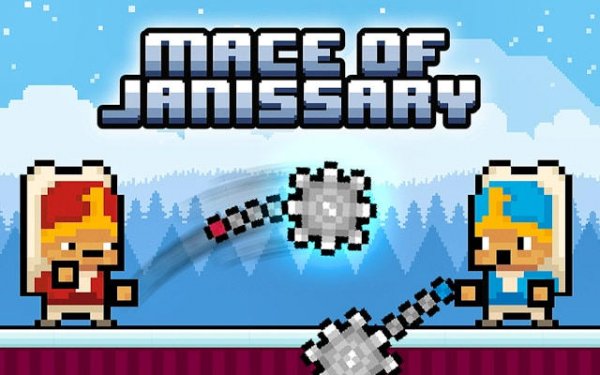
Medieval Duel: Precision Toss
Reviews
Medieval Duel: Precision Toss offers a refreshingly fair competition for two players. The physics system is intuitive yet deep, with wind and terrain creating endless variety. Matches are quick but require genuine skill, rewarding careful planning over luck. The medieval theme adds charm without overwhelming the gameplay. It is an excellent choice for casual gamers looking for a thoughtful, non-violent challenge to share with someone else.
About this game
Core Gameplay Loop
Each match begins with both players positioned on opposite sides of a themed arena. Using mouse or keyboard controls, you set the angle and power of your throw before releasing. The projectile travels in a realistic arc, influenced by wind speed and direction shown on an indicator. Terrain elevation and obstacles between the two sides add further complexity, making each shot a small puzzle to solve. Points are awarded for landing on the opponent's side, and after a set number of rounds, the higher score wins. The system rewards patience and observation over speed.
Arena Design & Variation
Every round introduces a new battlefield layout, ensuring no two matches feel identical. Some arenas feature hills that block direct paths, while others include narrow corridors or open fields. The visual style draws from medieval themes with stone walls, wooden barriers, and grassy knolls, but the focus remains on how these elements affect projectile flight. Players must quickly assess the layout and adjust their strategy accordingly, making each round a fresh mental exercise.
Skill Development & Mastery
Success depends entirely on your ability to read environmental cues and fine-tune your inputs. Early rounds serve as practice, letting you experiment with different power levels and angles. Over time, you learn to predict how wind will curve your shot and how slopes alter trajectory. There are no power-ups or random events, so improvement comes from deliberate practice. Watching an opponent's technique can also reveal effective approaches, encouraging adaptive thinking.
Multiplayer Dynamics
Designed exclusively for two players, the game thrives on direct competition. Matches are quick, typically lasting a few minutes, which keeps the pace brisk and engaging. The lack of any pay-to-win mechanics means both participants start on equal footing every time. This setup makes it ideal for casual sessions between friends or family members of different ages, as the rules are simple enough for anyone to grasp after a single round.
Comments
Sign in to leave a review
No account? Create one
No comments yet.