
Classic Solitaire Timed Challenge
Reviews
Classic Solitaire Timed Challenge transforms the familiar card puzzle into a race against the clock. The three-stage structure provides a natural difficulty curve, with each level demanding faster decisions. The leaderboard adds a compelling reason to replay and refine strategies. Its clean interface and cross-device support make it an excellent choice for both quick sessions and extended play.
About this game
Core Card Arrangement Mechanics
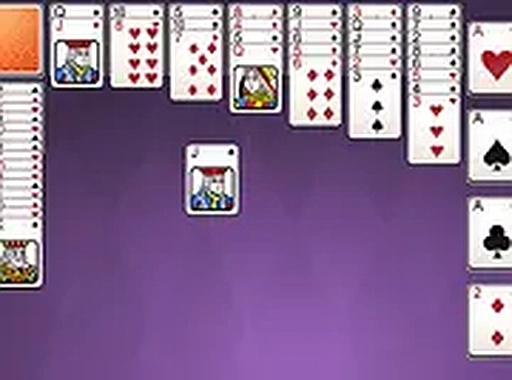
This game follows the traditional solitaire structure where players build foundation piles by placing cards in descending sequence while switching between red and black suits. The playing field consists of several tableau columns that start partially face-down, requiring careful reveals. A draw pile provides additional cards when the tableau runs dry. The entire experience is built around completing the four foundation piles before the level timer expires.
Three Distinct Timed Stages
Each of the three stages introduces a separate countdown clock, creating a sense of urgency that differs from standard untimed solitaire. The first stage offers a generous time limit suitable for learning the layout. The second stage reduces available time, demanding quicker decision-making. The final stage presents the tightest window, encouraging efficient card movement and strategic use of the draw pile.
Scoring and Leaderboard Integration
After finishing all three stages, the game calculates a final score based on completion speed and any remaining time. Players can then submit this score to an online leaderboard to compare their performance against others. This feature adds a competitive layer to what is otherwise a solitary puzzle activity, motivating repeated attempts to improve one's ranking.
Cross-Device Accessibility
The game runs entirely within a web browser on both desktop computers and mobile devices. No software installation or account creation is required to start playing. The interface adapts to different screen sizes, ensuring that card interactions remain responsive whether using a mouse or touch input. This makes it easy to pick up a quick game during short breaks or settle in for longer sessions.
Strategic Approaches for Better Results
Success in this timed solitaire variant depends on balancing speed with careful planning. Prioritizing face-down card reveals early can open up the tableau faster. Using the draw pile sparingly and only when necessary helps conserve time. Players who practice recognizing optimal move sequences often see their scores rise as they become more familiar with the card layouts and time constraints.







Comments
Sign in to leave a review
No account? Create one
No comments yet.