
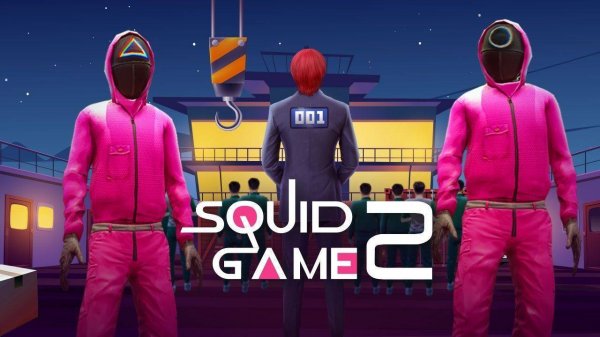
Ocean Logic Trials
Reviews
Ocean Logic Trials offers a refreshing take on puzzle games by focusing on mental agility rather than speed or aggression. The ship setting provides a consistent theme that ties the challenges together without feeling repetitive. The progressive difficulty curve ensures that both newcomers and experienced players find suitable challenges. The competitive multiplayer mode is fair and encourages strategic thinking. The absence of violent or mature content makes it a safe choice for family gaming sessions.
About this game
Setting and Theme
Ocean Logic Trials places players on a vessel crossing the Pacific Ocean. The nautical environment provides a consistent backdrop for a series of mental challenges. Unlike many puzzle games that change settings frequently, this game maintains a cohesive atmosphere that reinforces the theme of endurance and careful planning. The ship setting is not just cosmetic but influences the pacing of challenges, with each zone representing a different part of the vessel.
Core Challenge Structure
The game presents a sequence of tasks that test logical reasoning and attention to detail. Players encounter pattern recognition exercises where they must identify sequences or anomalies. Memory tests require recalling specific arrangements after brief exposure. Coordination challenges involve responding to visual cues within time limits. Each type of challenge appears in dedicated zones, preventing monotony and encouraging players to adapt their strategies.
Competitive Dynamics
Multiple participants compete simultaneously in each round. The game uses a fair system where accuracy determines progress. Mistakes can lead to elimination, so precision matters more than speed. The competitive aspect adds tension without requiring aggression or physical action. Players observe others' approaches and adjust their own tactics accordingly. Only the most consistent performer advances to claim the top position.
Progression and Difficulty
The challenges start with simple patterns and gradually increase in complexity. Later rounds introduce longer sequences, more distractors, and tighter time constraints. This progressive difficulty ensures that beginners can learn the mechanics while experienced players remain engaged. The game does not rely on luck but on the player's ability to maintain focus and apply logical reasoning under pressure.
Visual and Audio Design
The graphics use clean, clear visuals that emphasize the puzzles rather than distracting with unnecessary details. Color coding helps differentiate challenge zones and provides visual cues for pattern tasks. Sound effects are minimal and non-intrusive, primarily providing feedback for correct or incorrect responses. The overall design prioritizes clarity and accessibility, making it suitable for players of all ages.






Comments
Sign in to leave a review
No account? Create one
No comments yet.