

Candy Flip Card Challenge
Reviews
Candy Flip Card Challenge stands out for its accessible design and stress-free gameplay. The gradual increase in grid size keeps the activity engaging without frustrating younger players. Bright, friendly visuals and soft sounds create a relaxing atmosphere. It is an excellent choice for parents seeking a safe, educational pastime for children or for adults who want a quiet mental workout.
About this game
Core Matching Mechanics
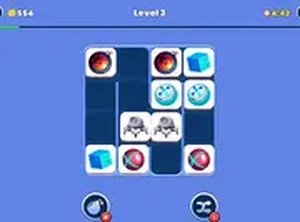
Players begin by tapping on any card to reveal a colorful illustration of a dessert or candy. The goal is to locate its identical twin among the remaining face-down cards. When a pair is found, both cards remain visible and the player earns points. Mismatched cards flip back, encouraging careful observation and recall. The system tracks both moves and elapsed time, allowing players to monitor their own improvement across sessions.
Level Structure & Difficulty Curve
The game starts with a small grid, making it easy for newcomers to understand the rules. As players advance, the board expands to include more cards, which increases the challenge without becoming overwhelming. This gradual progression helps build confidence while keeping the activity accessible to younger audiences. Each new stage introduces a fresh arrangement of images, so the experience stays varied.
Visual Style & Audio Atmosphere
Bright pastel colors and rounded card shapes create a friendly look that appeals to children and adults alike. The illustrations feature baked goods, candies, and other sweet items rendered in a clean, cartoon style. Soft sound effects accompany each flip and match, providing positive feedback without being jarring. The overall presentation avoids clutter, letting players focus on the task at hand.
Family-Focused Design Choices
No reading is required to play, which makes the game suitable for very young children or those still learning to read. The interface uses large, clearly labeled buttons and simple touch or click controls. There are no timers that cause stress or penalties for slow play. This thoughtful design ensures that the activity remains a relaxing pastime rather than a competitive race.
Skill Development Through Play
Regular sessions can help strengthen short-term memory and visual recognition abilities. The act of remembering card positions and forming mental maps of the board exercises cognitive functions in a low-pressure setting. Because the game does not punish mistakes harshly, players feel free to experiment and learn at their own pace. This makes it a useful tool for both children developing concentration skills and older adults seeking mental stimulation.







Comments
Sign in to leave a review
No account? Create one
No comments yet.