
Caveman Grru's Prehistoric Puzzle Quest
Reviews
Caveman Grru's Prehistoric Puzzle Quest offers a refreshingly calm puzzle experience. The caves are beautifully illustrated, and the puzzles feel natural and intuitive. What stands out is the lack of any pressure, allowing players to explore at their own pace. The star reward system adds a light challenge for completionists, while the hidden gems encourage thorough exploration. It is an ideal choice for parents seeking a non-violent, educational game for children, or for anyone who enjoys thoughtful, low-stress puzzle solving. The warm art style and gentle music complete the package.
About this game
Core Puzzle Design
At the heart of Caveman Grru's Prehistoric Puzzle Quest lies a series of environmental challenges that reward careful observation. Players guide Grru through caves where each area presents a unique logic puzzle. These might involve moving stone blocks to create a path, positioning objects to trigger a mechanism, or finding the correct sequence of actions to open a new route. The puzzles are designed to be intuitive, often using visual cues embedded in the cave walls or the arrangement of items. There are no complex rules to memorize; instead, the game encourages players to look closely at their surroundings and experiment with different interactions. This design makes the experience accessible to younger players while still offering a satisfying sense of accomplishment for adults.
Visual Style and Atmosphere
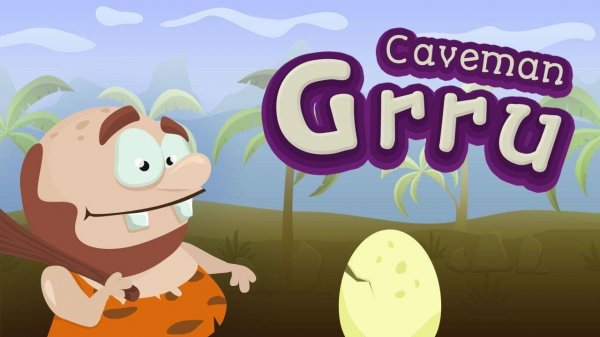
The game world is rendered in a bright, cartoon-like art style that feels welcoming rather than intimidating. Caves are filled with colorful stalactites, glowing crystals, and friendly prehistoric plants. The character of Grru is drawn with exaggerated, expressive features that convey curiosity and good humor. Backgrounds are detailed but not cluttered, ensuring that important puzzle elements stand out clearly. The soundtrack uses gentle, melodic tunes that shift subtly between caves, reinforcing the sense of exploration without becoming distracting. This combination of visuals and audio creates a warm atmosphere that suits family play sessions. The overall aesthetic avoids any dark or scary themes, making it suitable for very young children.
Progression and Rewards
As players move from one cave to the next, they encounter a steady increase in puzzle complexity. Early caves introduce basic mechanics like pushing objects or pressing buttons. Later areas combine multiple steps, requiring players to remember earlier lessons and apply them in new ways. Completing each cave's main objective unlocks the next area, but there are also optional collectibles hidden throughout. These shiny gems are not required to finish the game but offer an extra layer of challenge for those who want to explore more thoroughly. The game tracks progress with a star rating system based on how many objectives are completed in each cave. This provides a clear sense of achievement without penalizing players who prefer a more relaxed pace.
Family-Friendly Accessibility
The controls are designed for simplicity, using either a mouse or touch screen to interact with the environment. A brief tutorial at the start explains the basic actions, such as clicking on objects or dragging items. There are no timers, no failure states, and no way to get stuck permanently. If a player makes a wrong move, they can simply try a different approach. This design philosophy ensures that players of all ages and skill levels can enjoy the game together. Parents can feel confident letting young children play independently, as there is no content that could be considered frightening or inappropriate. The gentle learning curve also makes it a good choice for older adults who may be new to video games.
Exploration and Discovery
Beyond the main puzzle-solving, the game encourages a spirit of discovery. Each cave contains small details that reward a curious eye, such as hidden drawings on walls or secret nooks that hold extra gems. There is no penalty for revisiting a cave, so players can take their time to explore every corner. The environment itself tells a story through its layout and decorations, hinting at the daily life of prehistoric creatures. This layer of subtle storytelling adds depth without requiring reading or complex dialogue. For families, this can spark conversations about what life might have been like in the Stone Age, blending entertainment with a gentle educational element.








Comments
Sign in to leave a review
No account? Create one
No comments yet.